
Acne scars are more than a cosmetic concern—they can subtly affect skin function and long-term texture. MicroLaser Peel offers a precise, controlled approach to resurface the skin, targeting scar tissue while stimulating natural collagen repair. Unlike deeper lasers or chemical peels, its focused technique minimizes downtime and preserves surrounding healthy tissue. Understanding how this treatment works and its realistic outcomes helps patients make informed decisions for smoother, healthier-looking skin.
Understanding MicroLaser Peel
A MicroLaser Peel is a targeted, superficial laser treatment designed to remove the outermost layers of damaged skin while stimulating collagen production in the underlying dermis. Unlike traditional deep laser resurfacing, this procedure allows precise control over depth and intensity, reducing the risk of prolonged redness or scarring. The laser works by vaporizing microscopic layers of skin, prompting the body’s natural healing response to replace them with smoother, healthier tissue. This approach not only improves the appearance of acne scars but also enhances skin texture, tone, and elasticity. By preserving surrounding healthy tissue, a MicroLaser Peel can achieve noticeable improvements with minimal downtime—a factor often overlooked in conventional acne scar treatments.
Benefits for Acne Scars
A MicroLaser Peel offers targeted benefits for individuals struggling with acne scars, addressing both visible imperfections and underlying skin health. Unlike broader treatments, it works on multiple levels to improve skin appearance and function:
- Smoother Skin Texture
- By removing the superficial layer of damaged skin, the peel encourages the growth of new, evenly textured tissue.
- Collagen production is stimulated in the dermis, gradually softening deeper scars and depressions.
- This subtle remodeling helps reduce the appearance of pitted or rolling acne scars, often overlooked in standard facial treatments.
- Reduction in Pigmentation and Redness
- Post-inflammatory hyperpigmentation from acne can leave lasting discoloration.
- MicroLaser Peel helps even out tone by targeting pigment irregularities without aggressive chemical agents.
- Redness and mild vascular issues are also improved through controlled laser stimulation of the skin’s repair mechanisms.
- Minimally Invasive with Predictable Downtime
- Unlike deep laser resurfacing, the MicroLaser Peel preserves surrounding healthy tissue, which minimizes risk and accelerates recovery.
- Most patients experience only mild redness or flaking, often resolving within a few days.
- This predictable recovery allows for consistent treatment schedules, essential for achieving cumulative improvements.
- Enhancement of Overall Skin Health
- Beyond scar appearance, the treatment improves skin hydration, elasticity, and resilience.
- By removing damaged outer layers, it enhances absorption of post-care serums and topical treatments, further supporting healing and skin rejuvenation.
- The procedure subtly promotes microcirculation, encouraging nutrient delivery and cellular repair in scarred areas.
- Customizable Treatment Depth
- Clinicians can adjust the laser intensity to address different scar depths and skin sensitivities, ensuring a personalized approach.
- This adaptability reduces the risk of over-treatment while maximizing visible improvement, a nuance often missed in generic acne scar protocols.
Treatment Process and Expectations
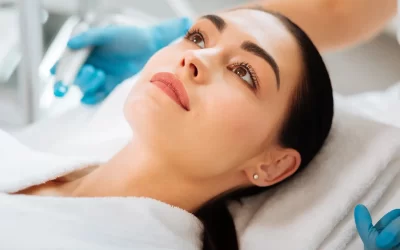
A MicroLaser Peel session begins with a consultation to assess scar depth, skin type, and overall skin health. The procedure itself is quick, typically lasting 30–45 minutes, and uses a precision laser to remove microscopic layers of damaged skin. Patients may feel a mild warming or tingling sensation, often described as tolerable without the need for heavy anesthesia. After the peel, the skin may appear slightly red or feel tight, with minor flaking over the next few days. Results develop gradually as new collagen forms and the skin regenerates, with improvements in texture, tone, and scar depth becoming noticeable within one to two weeks, and further refinements appearing over subsequent sessions.
Comparing MicroLaser Peel to Other Acne Scar Treatments
- Chemical Peels
- While chemical peels remove superficial skin layers, they can be less precise and may not effectively target deeper acne scars.
- MicroLaser Peel allows controlled depth adjustment, improving texture and promoting collagen where it’s needed most.
- Microneedling
- Microneedling stimulates collagen through tiny punctures, but results can be gradual and less predictable.
- MicroLaser Peel simultaneously exfoliates and triggers deeper dermal remodeling, offering faster visible improvements.
- Deep Laser Resurfacing
- Deep lasers can yield dramatic results but often involve significant downtime, swelling, and higher risk of pigmentation changes.
- MicroLaser Peel balances effectiveness with minimal recovery, making it suitable for those seeking noticeable improvement without weeks of downtime.
- Combination Approaches
- MicroLaser Peel can complement other treatments, such as microneedling or topical therapies, enhancing absorption and boosting overall outcomes.
This comparison highlights how MicroLaser Peel delivers a targeted, patient-friendly option for acne scar management while maintaining precision and safety.
MicroLaser Peel Before and After: Realistic Results
Results from a MicroLaser Peel are subtle yet meaningful, focusing on gradual improvement in skin texture and scar depth. Most patients notice smoother, more even skin within one to two weeks as the outer damaged layers shed and new collagen forms beneath. Deeper scars may require multiple sessions for optimal results, and outcomes vary based on scar type, skin tone, and age. Unlike dramatic overhauls from deep laser resurfacing, MicroLaser Peel emphasizes controlled improvement, reducing risk of complications. Viewing before-and-after images helps set realistic expectations, highlighting incremental changes that enhance overall skin health while maintaining a natural appearance.
Cost Considerations and Accessibility
The cost of a MicroLaser Peel varies depending on the severity of acne scars, the number of sessions required, and the geographic location of the clinic. In Boulder, CO, pricing can be influenced by factors such as provider expertise, technology used, and clinic amenities. While it may be higher than some chemical peels, the precision and minimal downtime often justify the investment. Many patients also consider the long-term value, as gradual collagen stimulation can reduce the need for additional procedures. Scheduling accessibility is another consideration—consulting with a licensed provider early ensures personalized planning, realistic expectations, and alignment with follow-up appointments for optimal results.
Conclusion
A MicroLaser Peel offers a precise, patient-friendly approach to improving acne scars, combining controlled exfoliation with collagen stimulation to enhance skin texture, tone, and overall health. While results are gradual, they are noticeable and can be tailored to each patient’s scar type and skin needs. Understanding the treatment process, realistic outcomes, and recovery expectations helps individuals make informed decisions about non-surgical acne scar management. For those seeking smoother, healthier-looking skin with minimal downtime, consulting a qualified provider is essential. Visit Boulder Valley Plastic Surgery or call (303) 449-6666 to schedule an appointment and explore whether a MicroLaser Peel is right for you.