

For many people researching body contouring, the first question isn’t about results — it’s about discomfort. Does liposuction hurt? It’s a deeply human concern, tied to control, safety, and the fear of the unknown. Interestingly, most patients don’t regret temporary soreness — they regret not understanding what recovery truly feels like. In this guide, we’ll walk through liposuction pain and recovery with clarity, nuance, and realistic expectations.
Does Liposuction Hurt During Surgery?
One of the biggest misconceptions about liposuction pain during surgery is that patients are “toughing it out.” In reality, modern techniques are designed specifically to prevent pain before it begins. Depending on the treatment area and surgical plan, local anesthesia with a tumescent solution or general anesthesia is used to keep you comfortable.
The tumescent technique does more than numb the area — it gently expands the fat layer, which reduces trauma, bleeding, and postoperative soreness. Most patients feel pressure or movement rather than sharp pain. Many are surprised to learn that anxiety beforehand is often more intense than anything experienced in the operating room itself.
How Painful Is Liposuction Compared to Other Surgeries?
When patients ask how painful liposuction is, they are often trying to measure it against stories they’ve heard about tummy tucks or breast surgery. The difference is important. Liposuction does not involve large incisions, muscle tightening, or removal of excess skin. It focuses on fat just beneath the surface.
Because muscle and deeper structures are not typically disturbed, many patients describe liposuction discomfort as intense soreness rather than sharp surgical pain. It can feel similar to the day after a very demanding workout. What’s seldom discussed is that procedures involving muscle repair tend to create deeper, longer-lasting pain signals, which liposuction usually avoids.
Pain Management After Liposuction
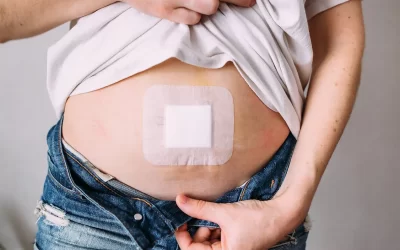
Effective pain management after liposuction goes beyond medications. While prescription or over-the-counter pain relievers play a role, gentle movement, hydration, and proper sleep support tissue healing and reduce inflammation. Compression garments not only shape the body but also help minimize swelling and discomfort. Applying cool compresses in the first 24–48 hours can ease tenderness, while light stretching promotes circulation. Surprisingly, small daily habits — like staying upright, avoiding prolonged sitting, and managing stress — can significantly influence how much soreness you feel during recovery.
Factors That Influence How Much Liposuction Hurts
- The area being treated
Some parts of the body are naturally more sensitive than others. Areas with denser nerve networks, such as the inner thighs or flanks, may feel more tender during recovery than areas like the outer hips. It’s not necessarily about the size of the area — it’s about how that area processes inflammation and pressure afterward. - The volume of fat removed
Larger-volume liposuction can create more swelling, which increases temporary tightness and soreness. Swelling stretches tissues from the inside, and that internal pressure is often what patients interpret as pain. - Your baseline inflammation levels
This is rarely discussed. People with higher systemic inflammation — due to stress, poor sleep, processed foods, or hormonal changes — may experience more pronounced swelling and discomfort. The body’s inflammatory response directly affects liposuction pain and recovery. - Hormonal fluctuations
Women in their 30s to 60s may notice that recovery feels different depending on where they are in their menstrual cycle or whether they are peri-menopausal. Estrogen levels influence fluid retention and tissue sensitivity, which can subtly impact liposuction discomfort. - Pain tolerance vs. pain perception
Pain is not purely physical. Anxiety can amplify discomfort signals in the brain. Patients who feel informed and prepared often report lower pain levels than those who feel uncertain, even when their procedures were identical. - Surgeon technique and precision
Gentle, controlled movements during fat removal reduce trauma beneath the skin. Less tissue disruption typically means less bruising, swelling, and soreness afterward. - Use of compression garments
Proper compression supports tissues and limits fluid buildup. When worn consistently, it can significantly reduce liposuction bruising, swelling, and pain. - Activity level during recovery
Light walking promotes circulation and can reduce stiffness. However, overexertion too early may increase inflammation and prolong tenderness. - Individual healing capacity
Age, circulation, hydration, and overall health influence how quickly tissues calm down after surgery. Two patients can have the same procedure yet experience very different liposuction downtime pain expectations.
Liposuction Recovery
Liposuction recovery is often described in terms of bruising and swelling, but many patients are more surprised by the feeling of firmness under the skin. This tight, almost “compressed” sensation is part of the healing process as fluid shifts and tissues adjust to their new contours.
Most soreness feels similar to deep muscle tenderness rather than sharp pain. Compression garments help control swelling and support circulation, which can ease discomfort. Energy levels may dip for a few days as your body focuses on repair. Gentle movement, hydration, and consistent rest play a larger role in liposuction healing than many people expect, especially in the first week.
How Long Does Liposuction Pain Last? A Realistic Overview
Most liposuction pain peaks within the first few days, when swelling and inflammation are at their highest. For many patients, discomfort improves significantly after the first week. What often lingers longer is tenderness to pressure — for example, when sitting, bending, or pressing on the treated area.
By weeks two to four, soreness usually feels mild and manageable. Subtle sensitivity or numbness can last several weeks as small nerve endings regenerate. One detail rarely mentioned is that internal healing continues even after visible bruising fades, which is why areas may feel firm or slightly uneven before softening over time.
Conclusion
So, does liposuction hurt? For most patients, the experience is far more manageable than they expect. The discomfort is temporary, often described as soreness and tightness rather than sharp pain, and it steadily improves as the body heals. Understanding the liposuction recovery timeline and pain expectations helps remove uncertainty, which is often the biggest source of fear.
If you’re considering liposuction and want personalized guidance, we invite you to visit us at Boulder Valley Plastic Surgery or call (303) 449-6666 to schedule a consultation and discuss your goals in detail.